GCC Emergency Centre Activated Amid Iran-Israel Conflict: Dubai, India, and Pakistan Monitor Regional Impacts
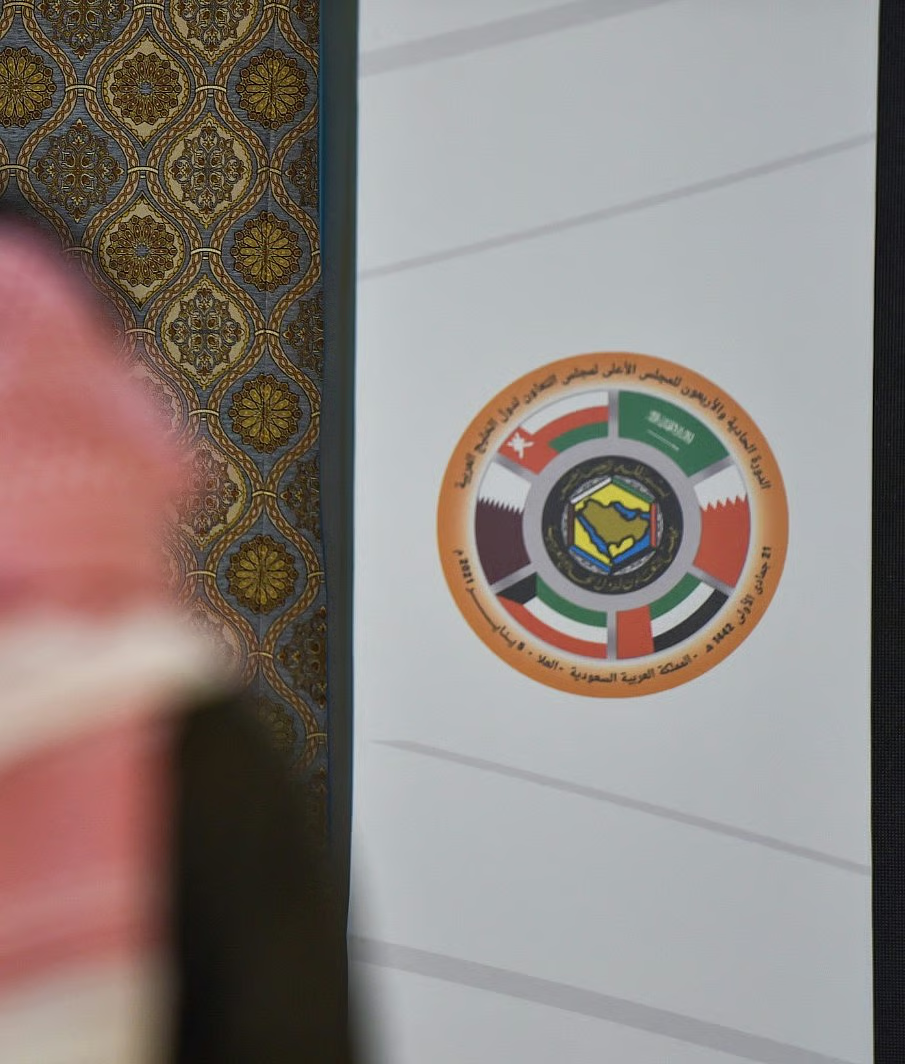
In response to the escalating Iran-Israel conflict, the Gulf Cooperation Council (GCC) has officially activated its Emergency Management Centre, signaling heightened regional alert. The move is seen as a precautionary step to safeguard Gulf countries, including Dubai and the wider UAE, from potential fallout—especially if the situation impacts nuclear facilities or vital trade routes.
Jasem Mohamed Albudaiwi, Secretary General of the GCC, stated that while no immediate danger has been detected, the decision was made to prepare for environmental risks, infrastructure threats, and economic disruption. He noted that technical indicators remain within the safe range, but full alert has been declared to ensure continuous monitoring and readiness.
This development has sparked interest and concern in key South Asian nations like India and Pakistan, both of which maintain strong economic and diaspora ties to Dubai and the Gulf region. With many Indian and Pakistani expats living and working in the UAE, any regional instability can have broader implications, especially in terms of trade, energy security, and labour movement.
Dubai’s Strategic Role and the Wider Regional Impact
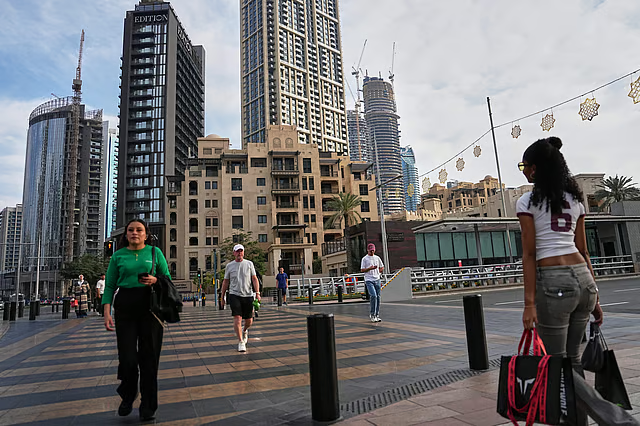
Dubai, being a central hub for trade and commerce between the Middle East and South Asia, plays a crucial role in maintaining regional stability. The GCC’s activation of its emergency system ensures that any risks, including those related to radiation or supply chain disruptions, are proactively managed through early warning systems and real-time coordination among member states.
The GCC Secretariat confirmed that technical reports and real-time data are being regularly published and distributed to all stakeholders. A media statement has already been released to assure the public and regional partners—including India and Pakistan—that safety measures are firmly in place.
GCC Condemns Israeli Attacks, Urges Restraint
All GCC member states, including the UAE, have strongly condemned the Israeli military operations, calling for renewed dialogue and diplomatic efforts. The Council voiced concern after the collapse of peace talks and the surge in hostilities between Israel and Iran, which risk dragging the region into wider conflict.
“The GCC was built on the principles of unity and proactive peace-building. We are committed to preventing any escalation that could destabilise not only the Gulf but also global trade and economic security,” Albudaiwi emphasized.
India and Pakistan Join the Call for Calm
Governments in India and Pakistan are also closely monitoring the situation. Both countries have deep economic, energy, and labour links with the Gulf, particularly Dubai, and any disruption could have ripple effects on remittances, fuel imports, and maritime logistics.
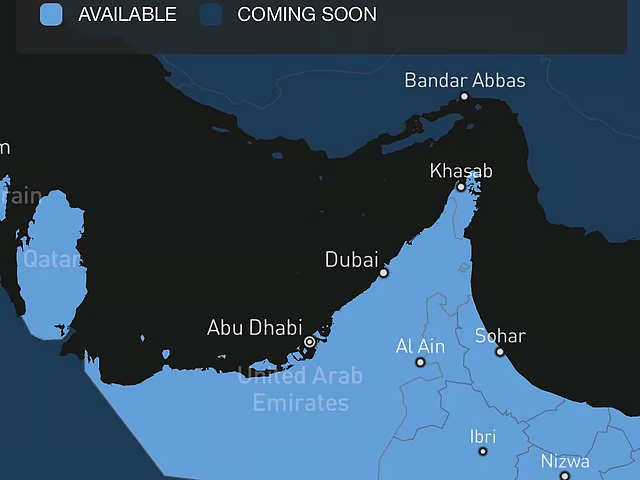
As part of their diplomatic engagement, Indian and Pakistani foreign ministries have urged all parties involved to show restraint. Regional analysts in Delhi, Islamabad, and Dubai warn that a full-scale conflict could jeopardize maritime security in the Strait of Hormuz, a critical energy corridor for South Asia.
A Call for Peace and Preparedness
Concluding his remarks, the GCC Secretary-General issued a renewed call for all countries and parties to avoid military escalation.
“We urge restraint and call for an immediate return to diplomatic dialogue. A wider conflict will bring unpredictable consequences—not just for the Gulf, but also for countries like India and Pakistan, whose economic and energy futures are deeply linked to regional stability,” Albudaiwi stated.
As tensions simmer, Dubai, alongside its GCC counterparts, continues to play a pivotal role in maintaining vigilance and regional cooperation—with significant interest from stakeholders across India and Pakistan who look to the UAE as a barometer of Gulf stability.
About the Author