Gold Jewellery Prices Steady in Dubai as Global Markets React to Geopolitical Tensions and Economic Shifts
Gold prices in Dubai remained steady on Tuesday morning after a sharp decline of AED 4.5 per gram on Monday, offering some relief to jewellery buyers across the UAE, India, and Pakistan. The precious metal slipped below the $3,400 per ounce mark, reflecting global uncertainty amid escalating geopolitical tensions and shifting economic indicators.
As of 9:00 AM UAE time, 24K gold was trading at AED 409.0 per gram, slightly up from AED 408.5 at Monday’s close but still down from AED 413 recorded at the start of the week. Other popular variants, including 22K, 21K, and 18K, were priced at AED 378.75, AED 363.25, and AED 311.25 per gram respectively. These revised rates are particularly significant for expats and tourists from India and Pakistan, who traditionally purchase gold during the summer travel season for gifting and investment purposes.
India, Pakistan Buyers Eye Lower Gold Rates Ahead of Holiday Season
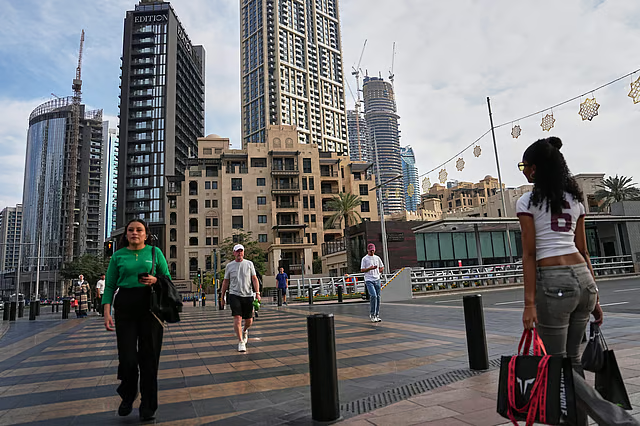
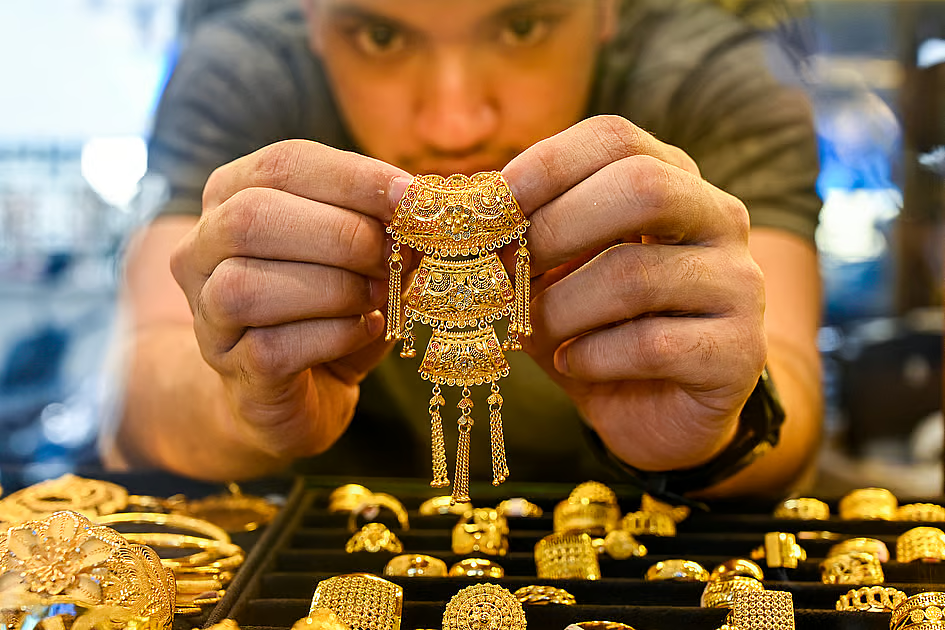
Jewellery stores in Dubai’s Gold Souk and Deira markets saw increased foot traffic from Indian and Pakistani residents looking to take advantage of lower prices. With wedding season and Eid celebrations approaching, many buyers from India and Pakistan are viewing this as an ideal window to purchase gold before potential price rebounds.
Meanwhile, spot gold traded at $3,392.6 per ounce, showing a marginal dip of 0.15% from earlier rates of $3,418.7. According to Konstantinos Chrysikos, head of customer relationship management at Kudotrade, Monday’s decline was driven by profit-taking by traders, although long-term market sentiment remains bullish.
Geopolitical Tensions Fuel Demand for Safe-Haven Assets
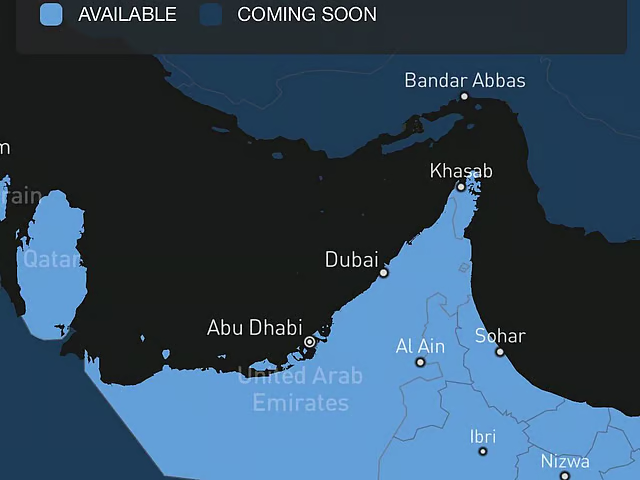
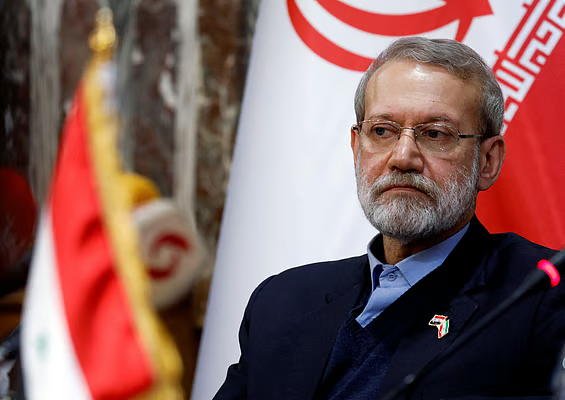
Chrysikos noted that ongoing tensions in the Middle East, particularly the recent military exchanges between Israel and Iran, have contributed to market volatility. The Dubai gold market, closely linked with international bullion trends, continues to reflect investor anxiety over potential regional escalation. Additionally, lingering conflicts in Eastern Europe and rising inflation concerns are reinforcing gold’s appeal as a safe-haven asset for investors across South Asia, especially in India and Pakistan.
Impact of US Monetary Policy and Trade Uncertainty
On the monetary front, global investors—especially those in Dubai, Mumbai, and Karachi—are closely monitoring the upcoming US Federal Reserve meeting. While the Fed is expected to hold interest rates steady, recent lower-than-expected inflation data has sparked hopes for rate cuts starting as early as September. Such moves could push down US Treasury yields, potentially benefiting non-yielding assets like gold.
At the same time, uncertainty over US trade policy under President Trump’s administration continues to influence gold markets. Trump is expected to announce new tariff measures soon, and any further escalation could boost demand for gold across emerging markets, including India and Pakistan, where the yellow metal remains a cornerstone of personal wealth and cultural tradition.
About the Author