
Escalating Tensions: Israel-Iran Conflict Sparks Regional Alarm Across Dubai, India, Pakistan, and the USA
The intensifying military conflict between Israel and Iran has entered its fourth consecutive day, with both sides launching deadly airstrikes and drone attacks that have triggered international concern from countries including Dubai (UAE), India, Pakistan, and the USA.
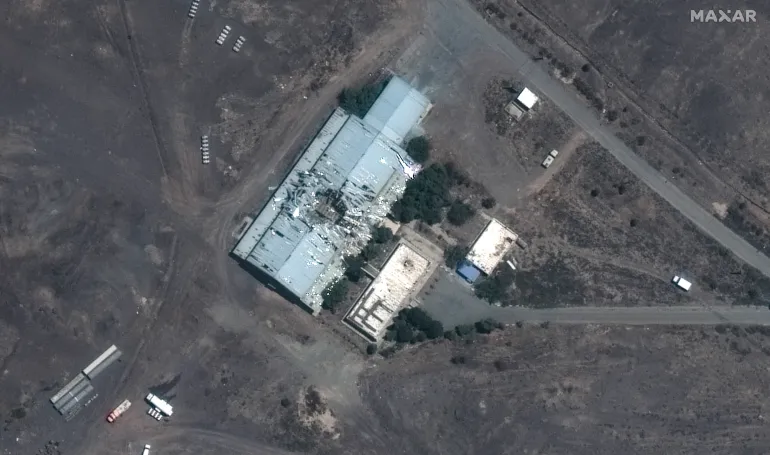
Over the weekend, Israeli forces launched a series of attacks on civilian infrastructure inside Iran, including the bombing of a state TV building and a hospital in Kermanshah, which Iranian officials have condemned as a “war crime.” Iranian state TV aired live footage showing one of its prominent anchors fleeing moments before an explosion rocked the station, leaving several journalists injured or dead.
In retaliation, Iran began a new wave of missile and drone strikes, hitting multiple targets in Tel Aviv and Haifa. The Iranian attacks killed at least three people and forced the shutdown of critical oil refineries in Haifa, a development that raised alarms in global energy markets, including trading hubs in Dubai and India.
Global Fallout: US Embassy Hit, Warnings Issued
A branch of the US Embassy in Tel Aviv suffered minor damage during the Iranian strikes, according to US Ambassador Mike Huckabee, as Washington reiterated that it was not involved in Israel’s military campaign. Despite this, Iranian officials blamed the USA for backing Israel and threatened retaliatory measures against American forces stationed in Syria and elsewhere in the Middle East.
The United States, which maintains strong ties with both Israel and regional partners like the UAE, India, and Pakistan, has urged restraint. Former President Donald Trump commented that while he hopes diplomacy prevails, the two adversaries might “have to fight it out first.”
Civilian Infrastructure Under Fire: Global Condemnation
According to Iranian reports, Israel deliberately targeted Farabi Hospital and rescue teams from the Iranian Red Crescent Society, killing at least three humanitarian workers. Video footage verified by local fact-checkers shows bloodstains and structural damage, underscoring the scale of the humanitarian impact.
International observers, including medical groups in Pakistan and human rights monitors in Dubai, condemned the targeting of healthcare facilities as violations of international humanitarian law. These attacks mirror similar patterns seen in Gaza, where Israeli strikes have repeatedly hit hospitals during the 20-month conflict.
Rising Death Toll and Regional Risks
The death toll over four days has neared 250, including 224 Iranians and over 20 Israelis, with hundreds more injured. Iranian missiles also struck an Israeli military base and other installations in Tel Aviv, escalating fears of a wider regional war.
This ongoing conflict is drawing the attention of global powers, including India, Pakistan, and the UAE, all of which have significant geopolitical and economic interests in Middle Eastern stability. In Dubai, government analysts warned of oil price shocks and regional investment risks if the hostilities continue.

High-Stakes Diplomacy or Escalation?
Despite mounting casualties and international pressure, neither side appears ready to de-escalate. Israeli Prime Minister Benjamin Netanyahu hinted that targeting Iran’s Supreme Leader, Ayatollah Khamenei, could be a possibility, calling it a move to “end the conflict, not escalate it.”
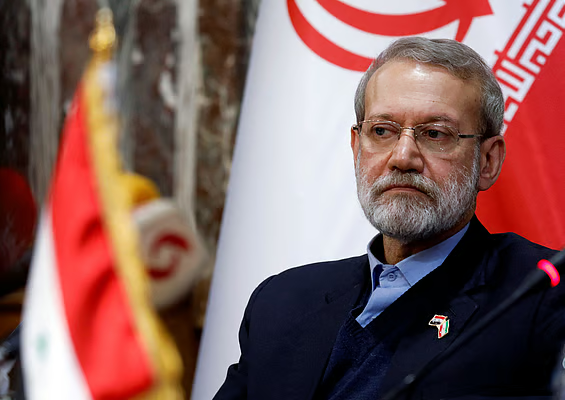
Meanwhile, Iranian President Masoud Pezeshkian urged unity among Iranians, emphasizing the need to resist what he termed “genocidal aggression” by Israel. Foreign Minister Abbas Araghchi stated that diplomacy remains an option—if the USA intervenes decisively.
“If Washington is serious about stopping this war, they need to make one phone call to stop Netanyahu,” Araghchi said, suggesting that U.S. influence could be pivotal in halting the violence.
What It Means for Dubai, India, Pakistan, and Beyond
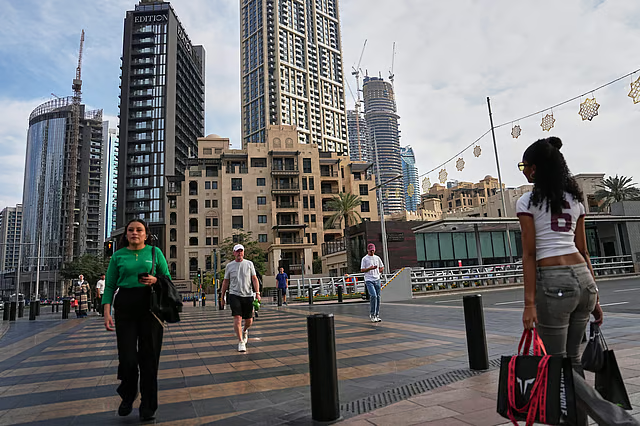
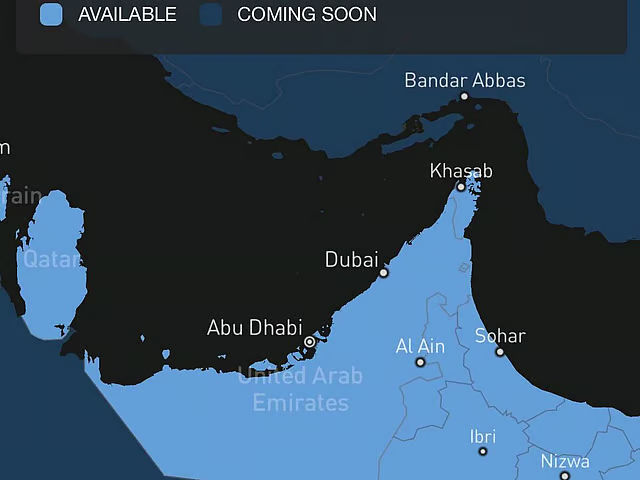
The rising conflict has immediate implications for countries like Dubai, a hub for Iranian and Israeli diaspora communities and a center of global diplomacy. Analysts in India are closely monitoring the conflict due to its impact on energy imports and the safety of Indian nationals working across the Middle East. In Pakistan, both humanitarian groups and security analysts have raised alarms over the spillover potential of the conflict into neighboring regions.
As the confrontation shows no signs of slowing, the world waits to see whether international diplomacy—led by power centers in Washington, New Delhi, Islamabad, and Dubai—can bring about a ceasefire, or whether the Israel-Iran war will drag the region into a wider, more devastating conflict.
About the Author


fr648t